

Summer brings sunshine, warmth, and the perfect opportunity to enjoy horseback riding adventures. However, it’s essential to be mindful of the unique challenges that hot weather poses for both riders and horses. In this blog post, we will explore valuable tips and considerations to ensure safe and enjoyable horseback riding experiences during the summer season.
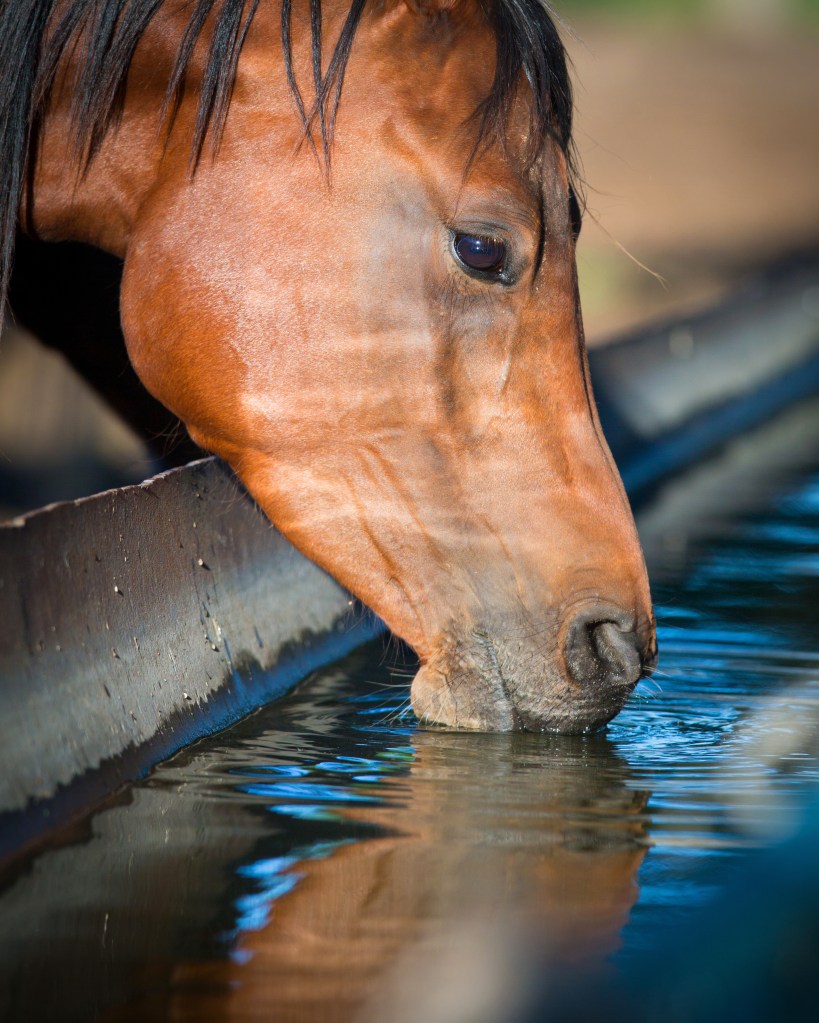
Hydration. Hydration. Hydration: Staying hydrated is crucial for both humans and horses during hot summer rides. Start by ensuring you drink plenty of water before, during, and after your ride. Carry a water bottle with you and take regular breaks to hydrate. Similarly, provide ample access to clean, fresh water for your equine partner, both before and after riding. Consider wetting down their mane, neck, and legs to help cool them off before saddling up.
Timing is Everything: The timing of your rides can significantly impact the comfort and safety of both you and your horse. Plan your rides during the cooler parts of the day, such as early morning or late evening when temperatures are generally lower. This helps minimize the risk of heat exhaustion or dehydration. Pay attention to weather forecasts and avoid riding during excessively hot or humid conditions.
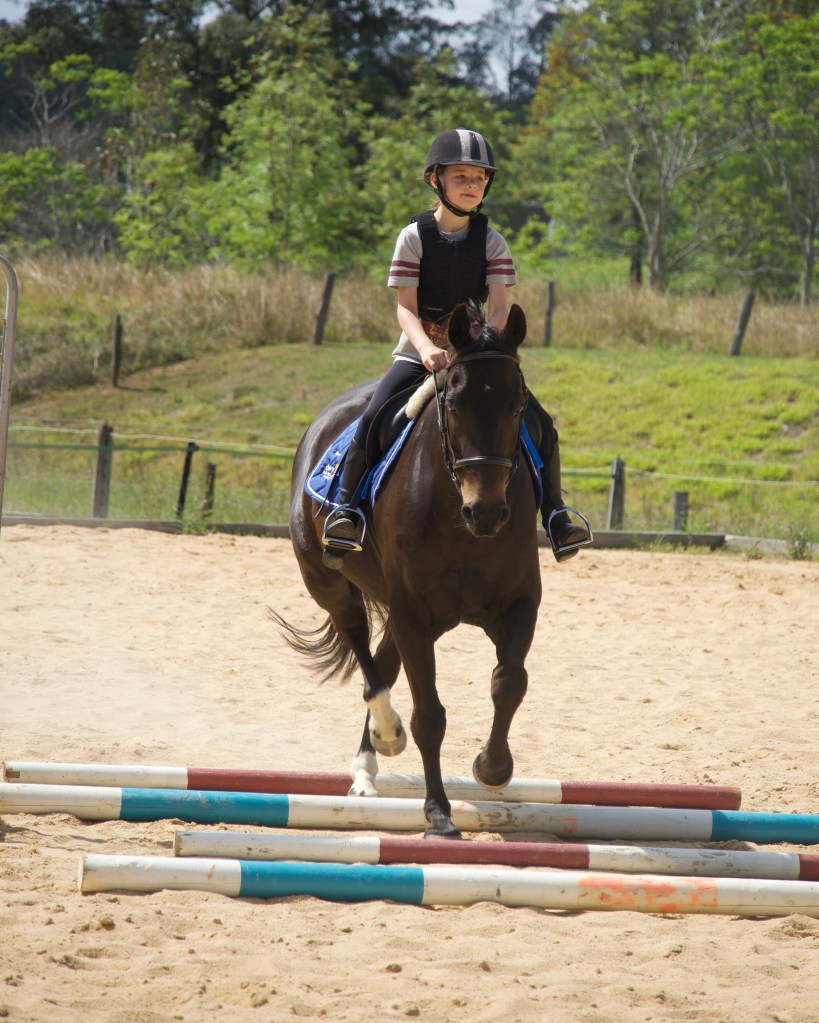
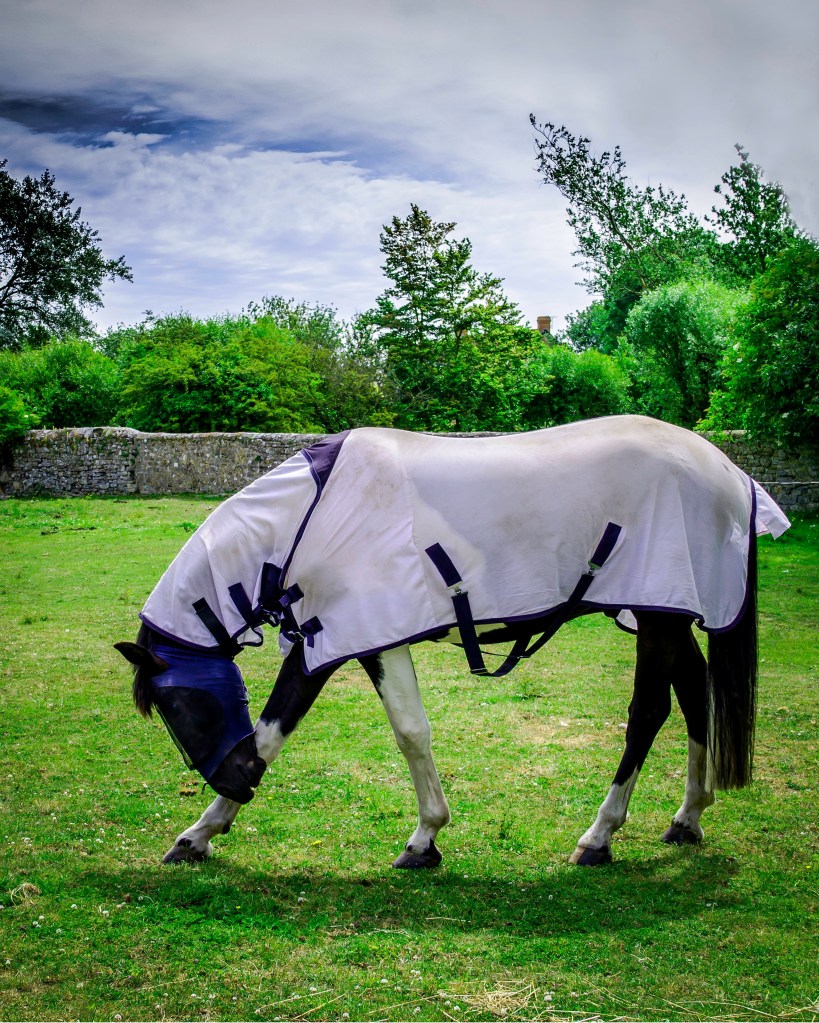
Sun Protection: Just like humans, horses can also suffer from sunburn. Provide adequate protection by applying sunscreen to sensitive areas, such as the muzzle, pink skin around the eyes, and any white markings. Consider using lightweight fly masks or fly sheets that provide UV protection to minimize sun exposure. Additionally, wearing a wide-brimmed hat, sunglasses, and lightweight, breathable clothing can protect riders from the sun’s harmful rays.
Adjusting the Intensity: During summer rides, it’s essential to consider the heat and adjust the intensity and duration of your rides accordingly. Take shorter rides or break longer rides into multiple sessions to allow both you and your horse to rest and cool down. Be mindful of your horse’s energy levels and closely monitor their breathing and overall demeanor. If your horse appears fatigued or overheated, dismount and find a shaded area to rest.
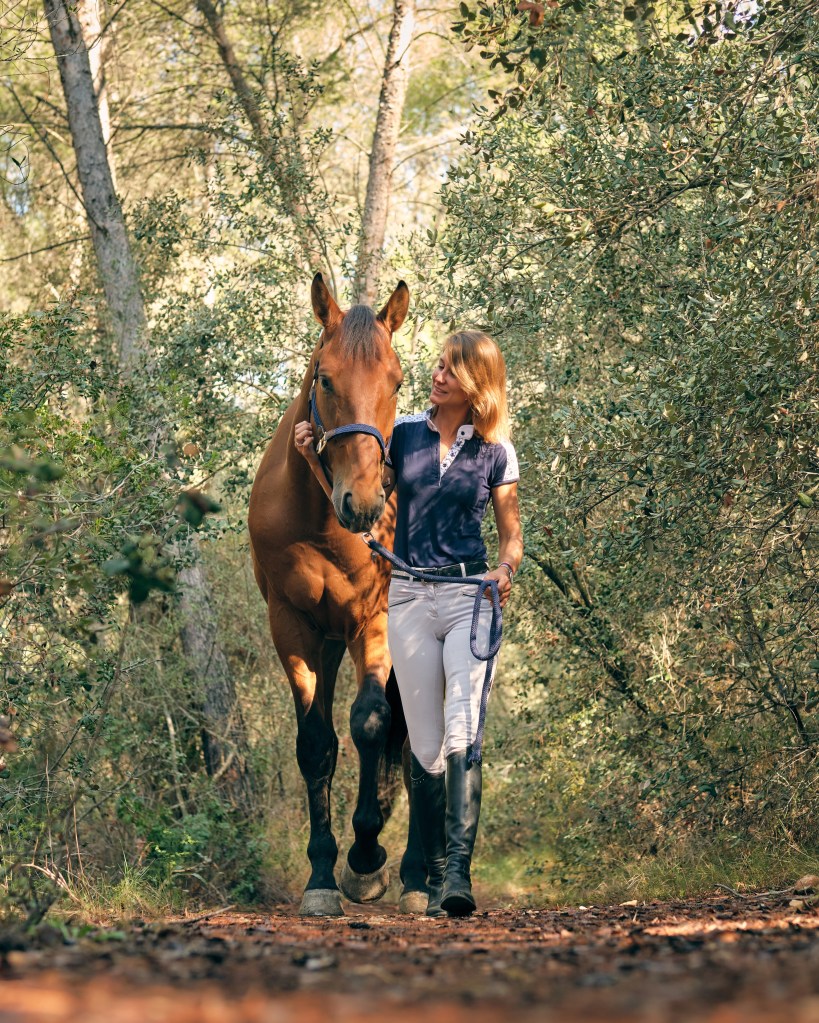
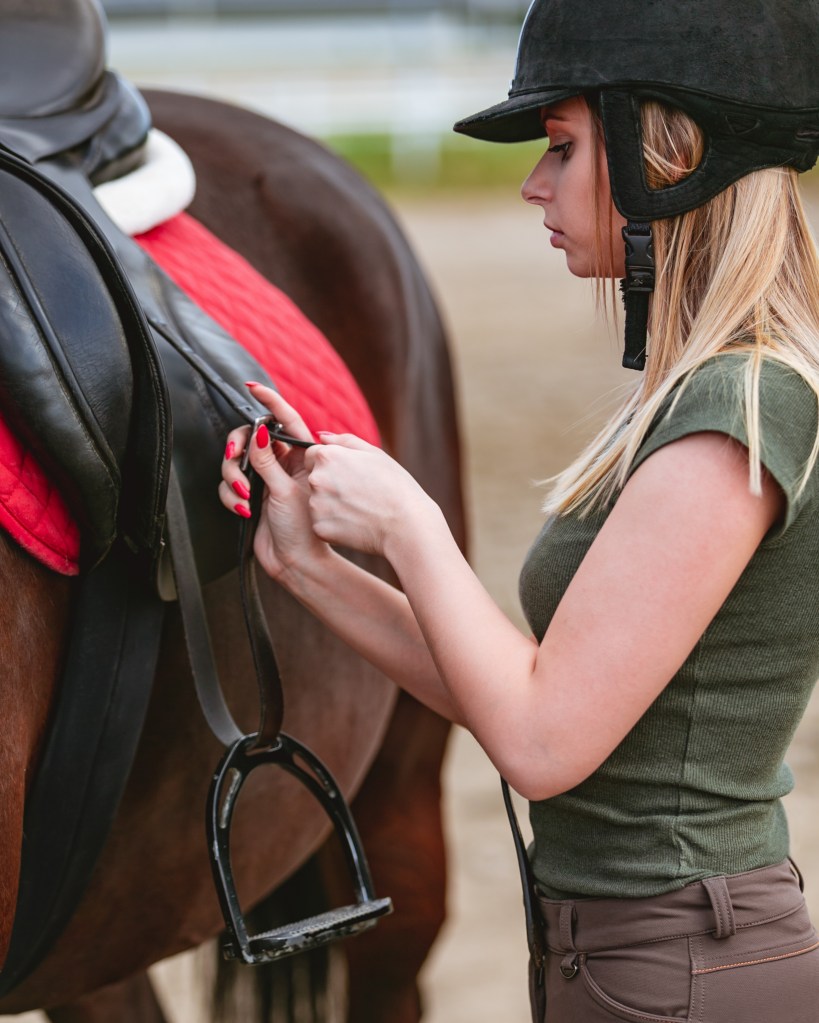
Proper Tack and Equipment: Using suitable tack and equipment in the summer can enhance both comfort and safety. Choose breathable saddle pads that wick away moisture and provide adequate airflow. Lightweight and well-ventilated helmets can keep riders cool and protected. Ensure that all tack fits properly to prevent rubbing or discomfort that can be exacerbated by sweat.
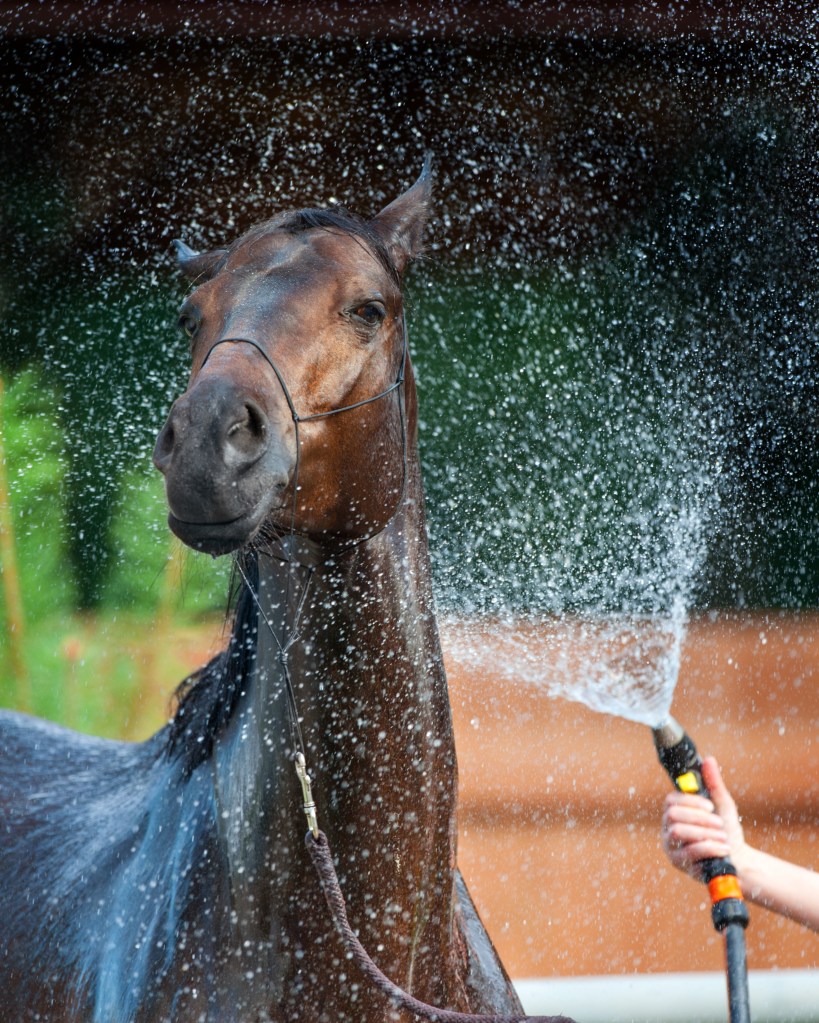
Cooling Techniques: Implementing cooling techniques before, during, and after your ride can help regulate your horse’s body temperature. Before riding, hose your horse down with cool water or use a damp sponge to wet their body. While riding, take advantage of shaded trails or rest areas, and allow your horse to drink water when appropriate. After the ride, rinse your horse to remove sweat and use a sweat scraper to remove excess moisture. Proper cooling techniques aid in preventing overheating and assist in post-ride recovery.
Riding horses in the summer can be a delightful experience if we prioritize the well-being of our equine partners. By following these tips for hydration, timing, sun protection, adjusting intensity, using proper tack, and implementing cooling techniques, we can ensure a safe and enjoyable riding experience for both horse and rider. So, saddle up, embrace the beauty of the season, and create lasting memories with your four-legged companion while staying mindful of their welfare.
 The Little Dog Diaries
Leave a comment