
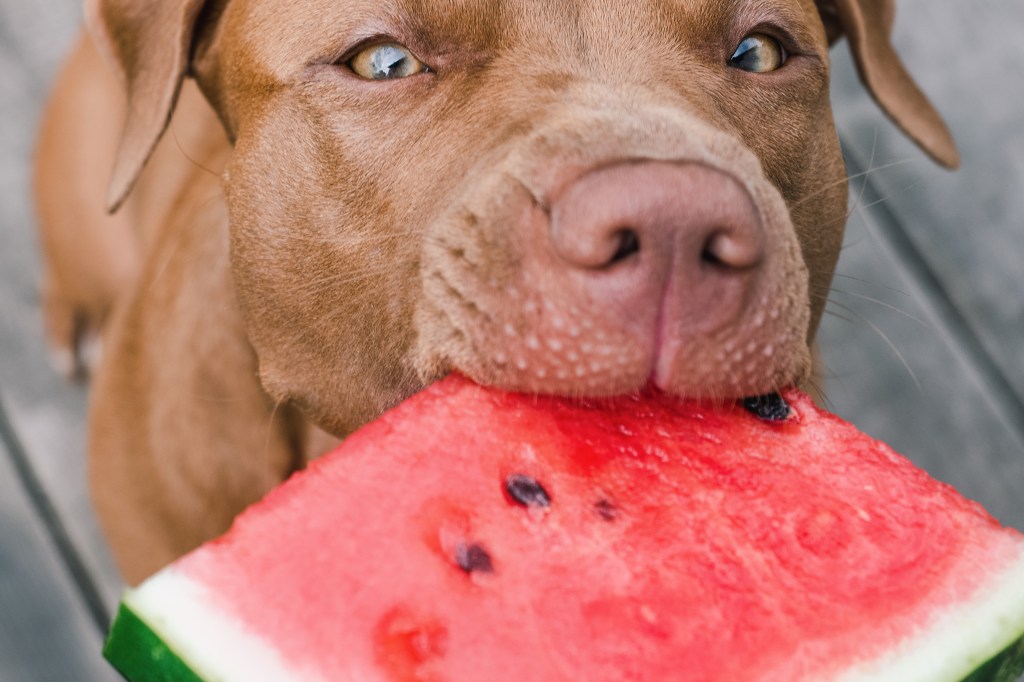
As pet owners, we strive to create a safe and loving environment for our furry companions. However, it’s crucial to be aware that our homes can harbor hidden hazards that pose significant risks to our dogs. In this blog post, we will explore some common household toxins that pet owners should be mindful of, helping you create a safer living space for your beloved canine friend.

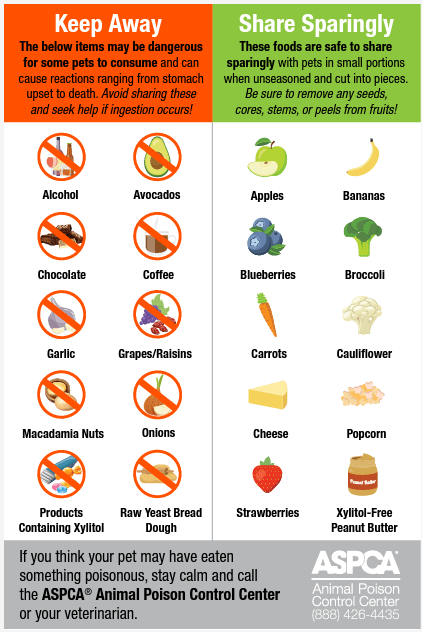
1. Chocolate: Chocolate contains theobromine and caffeine, which are toxic to dogs. Dark chocolate and cocoa powder are especially dangerous.
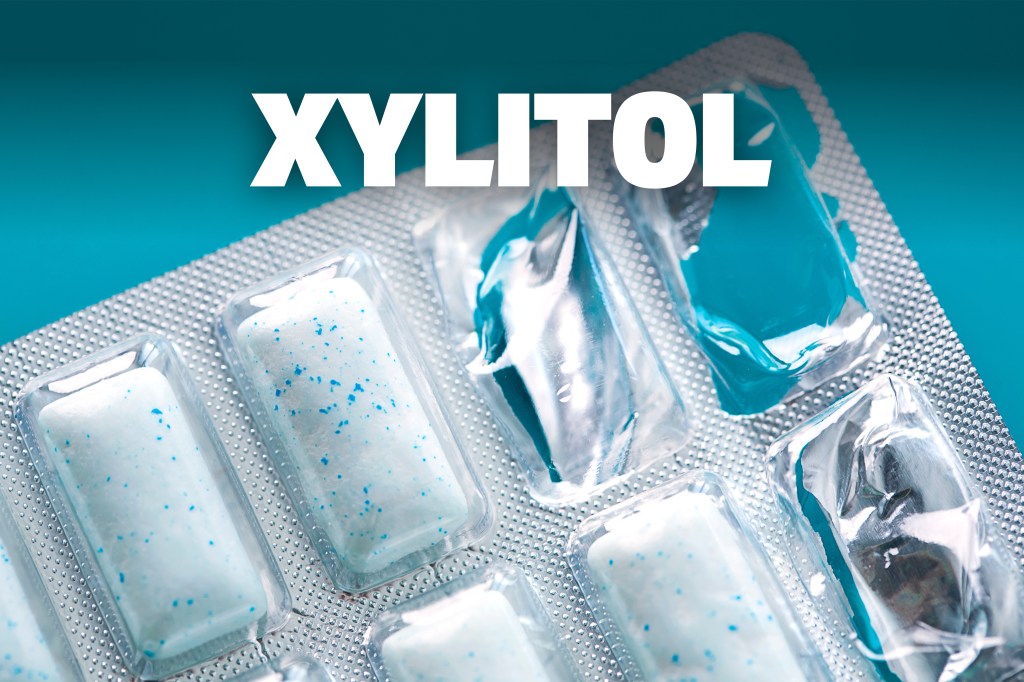
2. Xylitol: This artificial sweetener is commonly found in sugar-free gum, candies, baked goods, and some peanut butter brands. Xylitol can cause a rapid drop in blood sugar levels and liver failure in dogs.

3. Grapes and raisins: These fruits, although healthy for humans, can cause kidney failure in dogs. The exact substance responsible for the toxicity is unknown.

4. Onions and garlic: Onions, garlic, and related plants can damage a dog’s red blood cells, leading to anemia. This toxicity can occur in raw, cooked, or powdered forms.

5. Medications: Many human medications, such as non-steroidal anti-inflammatory drugs (NSAIDs), acetaminophen, and antidepressants, can be toxic to dogs. Always keep medications securely stored out of reach of pets.
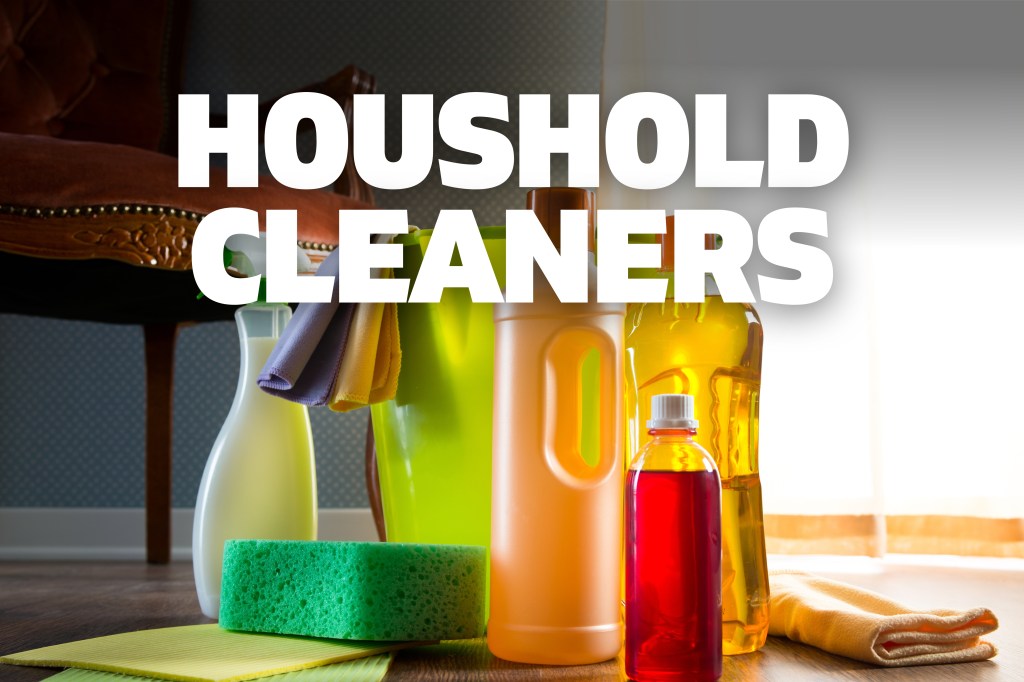
6. Household cleaners: Cleaning products, including bleach, ammonia, and certain disinfectants, can be toxic to dogs if ingested or inhaled. Store these products in a secure location and use pet-safe alternatives when possible.
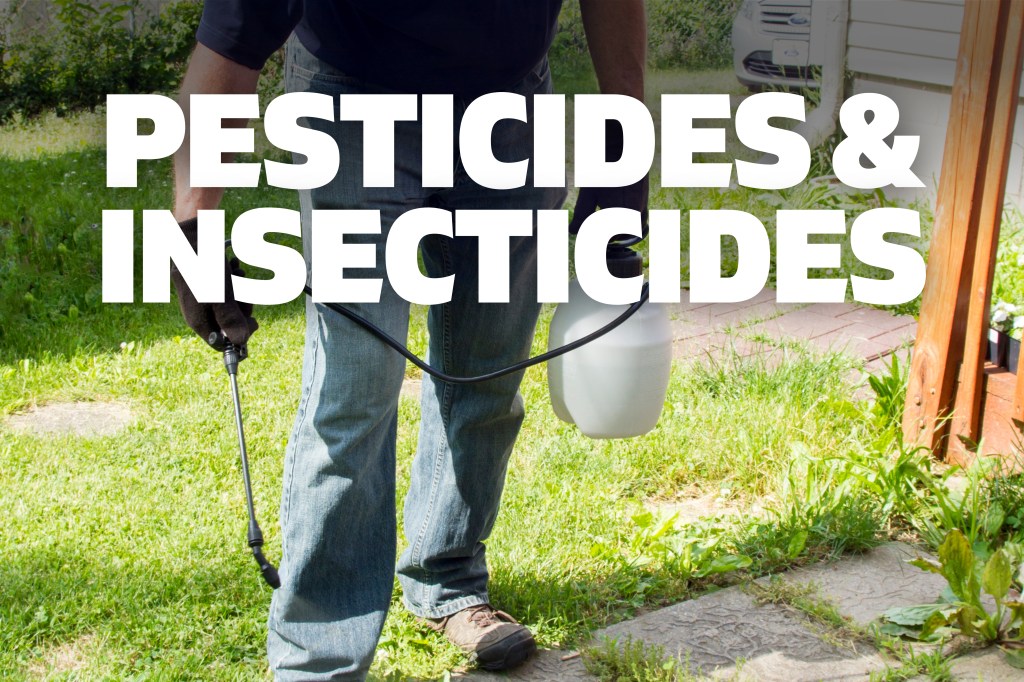
7. Pesticides and insecticides: Chemicals used in common pest control products, such as snail bait, rodenticides, and insecticides, can pose a significant risk to dogs if consumed.
8. Certain plants: Many common household plants, including lilies, azaleas, tulips, and daffodils, can be toxic to dogs if ingested. It’s essential to research and ensure the safety of plants in your home or yard.
9. Alcohol: Alcoholic beverages and foods containing alcohol should never be given to dogs. Alcohol can cause severe intoxication, leading to central nervous system depression, coma, or even death.
10. Antifreeze: Antifreeze (ethylene glycol) has a sweet taste that can attract dogs, but it is highly toxic and can cause kidney failure. Even a small amount can be deadly, so it’s crucial to keep antifreeze securely stored and clean up any spills immediately.
It’s important to note that this is not an exhaustive list, and there are other potential toxins for dogs. If you suspect your dog has ingested something toxic, contact your veterinarian or an emergency veterinary clinic immediately.

Creating a dog-friendly and safe environment requires being aware of the potential toxins lurking in our homes. By understanding and mitigating the risks posed by cleaning products, medications, toxic foods, plants, pesticides, chemicals, and hazardous waste, we can significantly reduce the chances of our beloved companions falling victim to these hidden hazards. Regularly review your home for potential dangers, consult with your veterinarian, and be proactive in keeping your furry friend safe. A toxin-free home is a happier, healthier home for both you and your dog!
RESOURCES
 The Little Dog Diaries
Leave a comment