

Bringing home a new puppy is an exciting and joyful experience. However, one of the most important aspects of raising a puppy is potty training. Teaching your furry friend where and when to relieve themselves requires patience, consistency, and positive reinforcement. In this article, we will explore the benefits of using positive reinforcement techniques for potty training and provide you with a step-by-step guide to help you successfully train your puppy.
Why Positive Reinforcement?
Positive reinforcement is a highly effective training method that focuses on rewarding desired behaviors rather than punishing unwanted ones. By using positive reinforcement techniques, you create a positive learning environment that encourages your puppy to repeat behaviors that are desirable, such as going potty in the designated area. Here are some reasons why positive reinforcement is the preferred method for potty training:
- Builds a Strong Bond: Positive reinforcement strengthens the bond between you and your puppy. By rewarding good behavior, you create a positive association with the training process, making it more enjoyable for both of you.
- Encourages Willing Cooperation: Puppies respond better to positive reinforcement than punishment. They are more likely to willingly participate in the training when they associate it with positive experiences, treats, and praise.
- Long-Term Success: Positive reinforcement establishes good habits that last a lifetime. By teaching your puppy to go potty in the right place through positive reinforcement, you establish a foundation for future obedience training.
Potty Training Essentials for Your Pup:
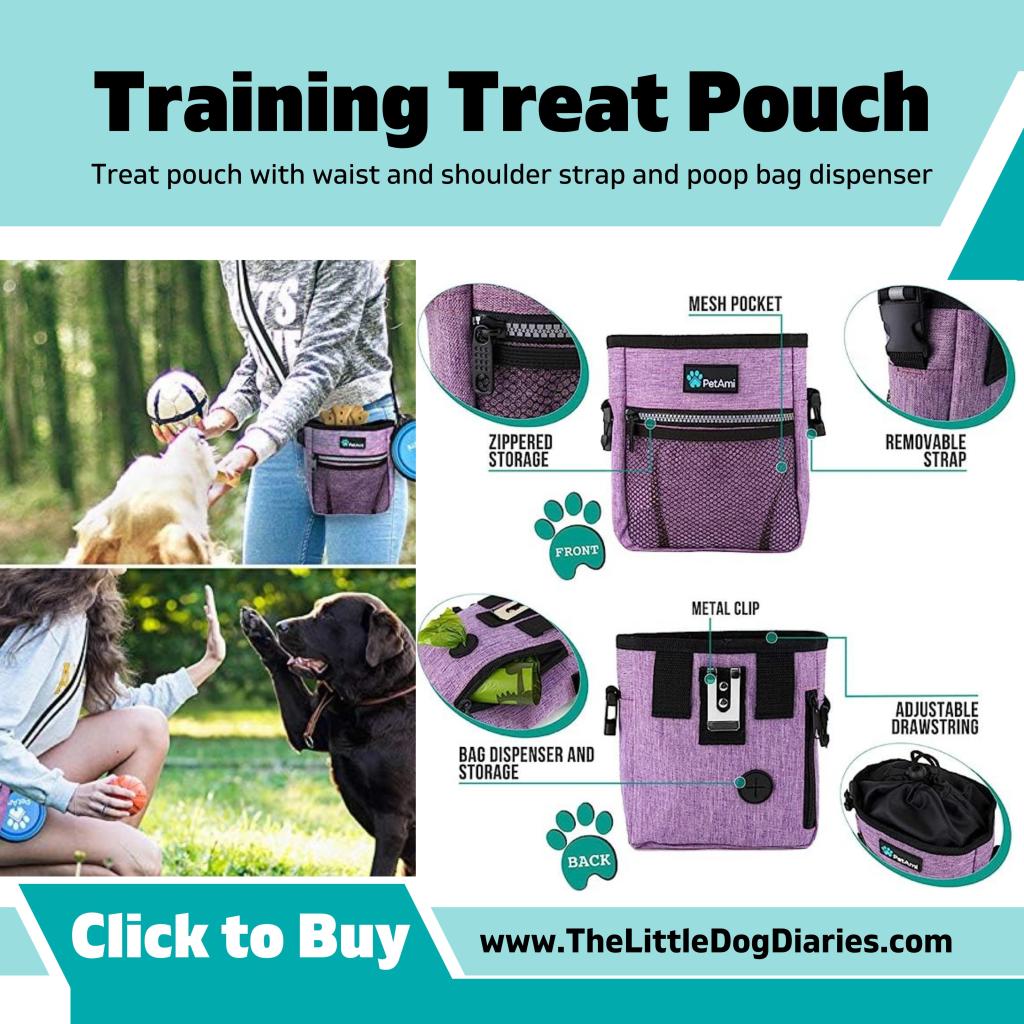
As someone who has had to potty training multiple new pets when they have joined my family, here are a few of the essentials that I could not live without:





Step-by-Step Guide to Potty Training using Positive Reinforcement:
- Establish a Routine: Create a consistent schedule for your puppy’s meals, playtime, and potty breaks. Puppies have small bladders and need frequent opportunities to relieve themselves. Take your puppy outside to the designated potty area every 1-2 hours, as well as after meals, naps, and play sessions.
- Choose a Designated Potty Area: Select a specific spot in your yard or outside your home where you want your puppy to go potty. Take your puppy to this area consistently, using the same door or pathway each time.
- Be Observant and Reward Promptly: Watch for signs that your puppy needs to go potty, such as sniffing, circling, or whining. When you notice these signs, immediately take your puppy to the designated potty area. Once your puppy eliminates, use a cue word like “Go potty” in a calm and encouraging tone. When your puppy finishes, reward them with enthusiastic praise and a treat.
- Consistency is Key: During the potty training phase, avoid giving your puppy free roam of the house. Use a crate or confine them to a small area with puppy pads or newspapers when you can’t supervise them. Gradually increase their access to other areas of the house as they become more reliable in their potty training.
- Avoid Punishment: Never scold or punish your puppy for accidents. Instead, redirect them to the appropriate potty area and reward them for going in the right place. Punishment can create fear and anxiety, hindering the learning process.
- Clean Accidents Thoroughly: If accidents occur indoors, clean the area with an enzyme-based cleaner to eliminate any lingering odors. This helps prevent your puppy from associating that spot with a potty area.
- Patience and Persistence: Remember that potty training takes time and every puppy learns at their own pace. Stay patient, consistent, and positive throughout the training process.
Potty training a puppy using positive reinforcement techniques is a proven and effective method that builds a strong bond between you and your furry companion. By establishing a routine, rewarding desired behavior, and providing consistency, you can successfully potty train your puppy. Be patient, celebrate successes, and avoid punishment.
Remember, accidents will happen, so be prepared to clean up messes and remain consistent with your training. With time, effort, patience, and positive reinforcement, your puppy will become a well-trained and happy member of your family.
 The Little Dog Diaries
Leave a comment